Source Knitting Hand Sewing U Type Scissors for Fabric, Thread, and Yarn
Find 30 options for knitting hand sewing u type scissors designed for home, workshop, and factory use. Compare stainless steel blades, TPR or plastic handles, and various packing sizes to find the right tool for snipping fabric, thread, and embroidery yarn.
Key considerations
Products List






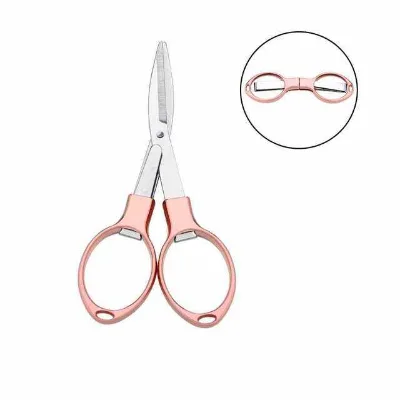
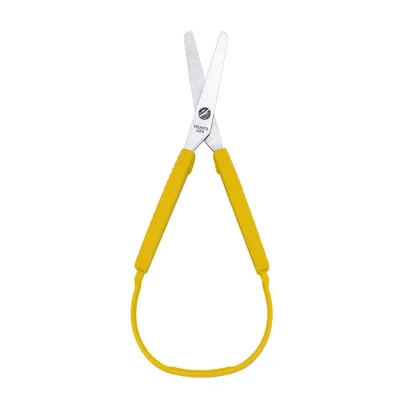
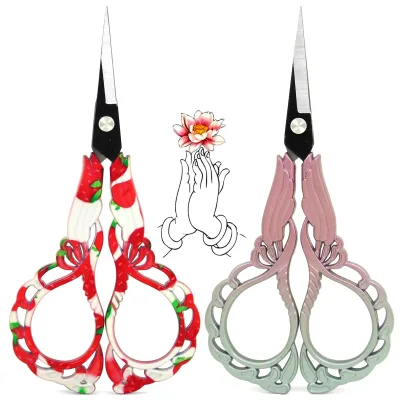
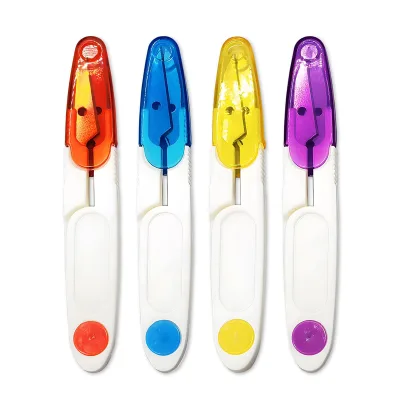

Comprehensive Sourcing Guide
Knitting Hand Sewing U Type Scissors Sourcing Guide
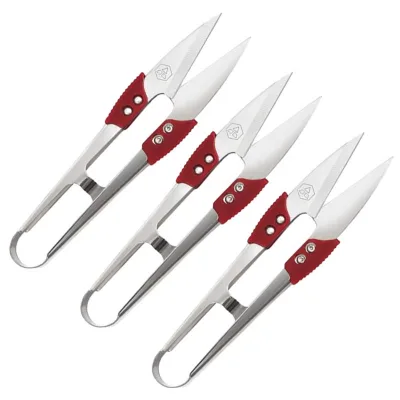
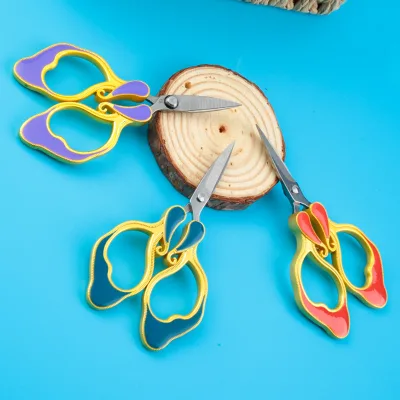
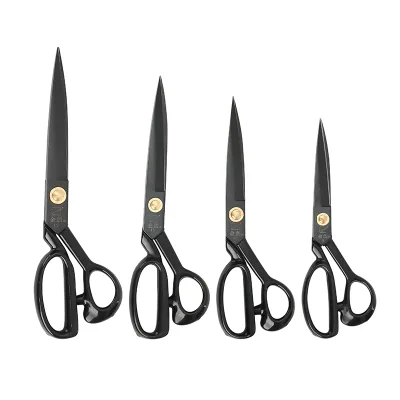
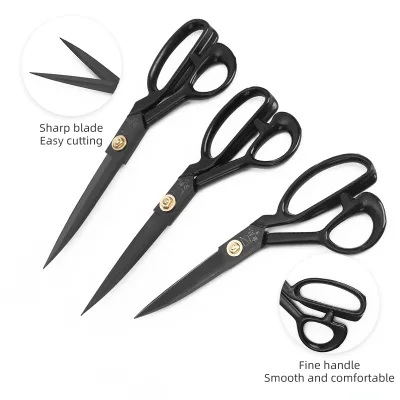
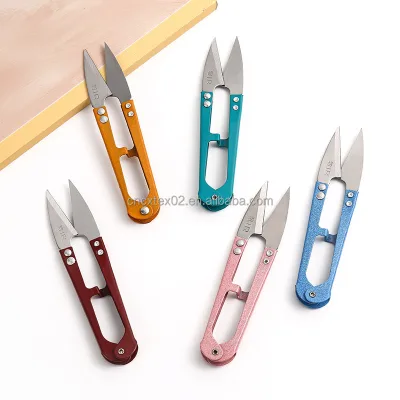
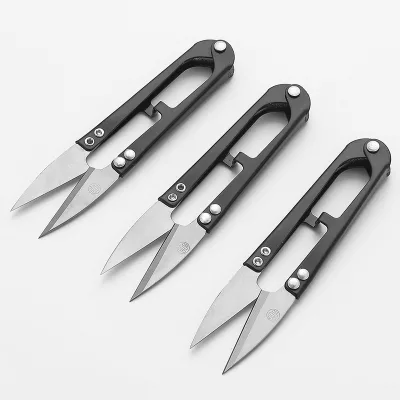
Procurement professionals evaluating knitting hand sewing U type scissors must first distinguish between general fabric shears and specialized tools designed for yarn and thread manipulation. The observed market data indicates a specific subset of products labeled as "Spring U-Shaped Scissors" or "Tailor Scissors" that feature a distinct U-type spring mechanism. These tools are explicitly marketed for applications involving knitted products, hand knitting, and tufting, suggesting a functional design that prioritizes repetitive cutting motions over heavy-duty fabric shearing. Buyers should verify that the listed product model, such as the D1149 or SK-007, aligns with these specific textile processing needs rather than general household use.
The commercial landscape for these items reveals a wide variance in packaging and unit specifications, which directly impacts logistics planning and inventory management. Listings show packing configurations ranging from 50 sets per carton to 1,200 sets per carton, with some items sold as single units in OPP bags. This disparity requires buyers to calculate the true landed cost per unit by factoring in the carton quantity and the specific single package dimensions provided, such as 10.8x3.2x0.92 cm. Understanding these logistical variables is essential before engaging with suppliers, as the physical footprint of the shipment will dictate warehousing requirements and shipping costs.
Product Scope and Observed Listing Signals
When analyzing product listings, buyers must carefully cross-reference the stated application scope with the physical attributes of the tool to ensure functional compatibility. The available data confirms that these scissors are intended for shearing, snipping, and pruning within home, workshop, and factory environments, specifically targeting fabric threads, yarn, and embroidery threads. However, the presence of conflicting handle materials, such as TPR, rubber, and plastic, alongside blade materials ranging from alloy to stainless steel, suggests that not all listed items are identical. Procurement teams must scrutinize the specific model number and material composition to confirm the tool meets the durability and grip requirements of their specific knitting or sewing workflow.
The observed price range of 0.1 to 7.5 USD reflects significant differences in build quality, material composition, and packaging standards across the supplier base. While some listings highlight eco-friendly and portable features with a weight of 50g, others emphasize high-quality construction with ABS and stainless steel materials. This price volatility indicates that buyers cannot rely on a single price point as a benchmark for quality; instead, they must correlate the cost with the specific material claims and the stated single gross weight. A thorough review of the product description is necessary to determine if the lower-priced options offer sufficient durability for industrial factory applications or if they are better suited for light home use.
Technical Specifications to Verify
Technical verification begins with confirming the blade geometry and material composition, as these factors directly influence cutting precision and longevity in textile applications. The observed specifications include straight blade types with sharp tips, constructed from either alloy or stainless steel, which are critical for cleanly severing yarn without fraying. Buyers must explicitly request confirmation of the blade material grade, as the distinction between standard alloy and stainless steel affects corrosion resistance and edge retention. Additionally, the presence of a U-type spring mechanism is a defining characteristic that facilitates one-handed operation, and this mechanical feature must be validated against the specific model type listed in the supplier catalog.
Dimensional accuracy and packaging metrics are equally critical for ensuring the product fits the intended operational and logistical constraints. The data indicates a standard product size of 210mm for certain models, while others list single package sizes in centimeters, creating potential confusion regarding the actual tool length versus the package dimensions. Procurement teams must verify the exact physical length of the scissors to ensure they are appropriate for the specific knitting or sewing task at hand. Furthermore, the packing standard, whether it is 100 pieces per carton or 50 sets per carton, must be confirmed to align with the buyer's inventory turnover rates and storage capacity.
Compliance and Safety Documentation
Safety compliance for cutting tools intended for home and factory use requires verification of specific manufacturing standards and material safety declarations. While the provided data references a standard code T3005, buyers must confirm the full scope of this standard to ensure it covers the specific safety requirements for sharp cutting instruments used in textile processing. It is essential to request documentation proving that the blade tips and handles meet relevant safety thresholds to prevent accidental injury during high-volume knitting or tufting operations. Without explicit certification details, buyers should treat the standard reference as a claim that requires independent validation through third-party testing reports.
Material safety is another critical area where documentation must be rigorous, particularly regarding the handle and blade composition. The listings mention materials such as rubber, plastic, and ABS, which must be verified for compliance with international safety regulations regarding chemical content and toxicity. Buyers should demand a Material Safety Data Sheet (MSDS) or a declaration of conformity that confirms the absence of hazardous substances in the handle materials, especially for products marketed as eco-friendly. Ensuring that the stainless steel blades are free from harmful coatings or contaminants is also necessary to maintain product integrity and user safety in professional environments.
Cost Drivers and Commercial Terms
The primary cost drivers for knitting hand sewing U type scissors include the choice of blade material, handle composition, and the complexity of the spring mechanism. Stainless steel blades and rubber or TPR handles generally command higher prices than alloy blades and plastic handles due to superior durability and ergonomic performance. Buyers must analyze the trade-off between initial unit cost and long-term replacement frequency, as higher-quality materials may reduce the total cost of ownership despite a higher upfront price. The specific model type, such as the SK-003 or D1149, also influences pricing based on the precision engineering required for the U-type spring action.
Commercial terms are heavily influenced by the observed Minimum Order Quantity (MOQ) ranges, which span from 3 units to 7,200 units, reflecting the diverse scale of potential buyers. Small retailers or individual crafters may find the lower MOQs accessible, while large factories will likely negotiate based on the higher volume tiers to secure better unit pricing. The packing configuration, ranging from single items to bulk cartons of 1,200 sets, further impacts the total order value and shipping efficiency. Procurement teams must align their order volume with the supplier's MOQ structure to optimize cash flow and minimize per-unit shipping costs.
Supplier Qualification and Quality Control
Supplier qualification for this category requires a deep dive into the manufacturing origin and the consistency of their production output. The data indicates origins in Zhejiang and Taizhou, China, regions known for textile tool manufacturing, but buyers must verify the specific factory's capacity to maintain consistent quality across large batches. It is crucial to assess the supplier's ability to adhere to the stated specifications, such as the 210mm size and the specific blade tip sharpness, across all units in a production run. Requesting samples from different production batches can help identify any inconsistencies in the spring tension or handle attachment that might affect performance.
Quality control protocols must be established to ensure that the final product meets the expected standards for sharpness and durability. Buyers should implement a rigorous inspection process that checks for defects in the blade edge, the integrity of the U-type spring, and the stability of the handle attachment. Given the variation in listed materials, such as the mix of alloy and stainless steel, a clear quality acceptance criteria must be defined before production begins. Regular audits of the supplier's quality management system are recommended to ensure that the "high quality" claims made in the product listings are substantiated by actual production data and testing results.
Long-Term Procurement Checks
Sustaining a successful procurement relationship for knitting hand sewing U type scissors requires ongoing monitoring of product consistency and supplier responsiveness over time. Buyers should establish a schedule for periodic re-evaluation of the product specifications to ensure that the materials and dimensions have not drifted from the original agreed-upon standards. This is particularly important given the observed variations in model numbers and packing standards, which could indicate changes in the supplier's production lines or sourcing strategies. Maintaining open communication channels with the supplier allows for early detection of any quality issues or supply chain disruptions that could impact the buyer's operations.
Future-proofing the procurement strategy involves staying informed about emerging trends in textile tool design and material innovation. As the market evolves, suppliers may introduce new features or materials that offer improved performance or sustainability, such as enhanced eco-friendly handle options. Buyers should remain flexible in their specifications to accommodate these innovations while ensuring that any changes do not compromise the core functionality required for knitting and sewing tasks. Regularly reviewing the competitive landscape and updating the supplier qualification criteria will help maintain a robust and resilient supply chain for these essential tools.
FAQs
What materials are used for the blades and handles?
The blades are crafted from stainless steel or alloy to ensure durability and sharpness for precise cutting. Handles are typically made from TPR, rubber, or plastic to provide a comfortable and secure grip during extended use. This combination of materials ensures the scissors remain effective for shearing fabric threads and yarn in various settings.
Can these scissors be customized for specific branding needs?
Yes, customization is available for these knitting and sewing scissors. Buyers can request specific packaging options, such as OPP bags or custom cartons, to suit their retail or wholesale requirements. This flexibility allows businesses to tailor the product presentation to their brand identity while maintaining the high-quality construction of the U-type spring scissors.
What is the typical packaging quantity per carton?
Packaging quantities vary by model, with options including 100 pieces per carton or 50 sets per carton. Some bulk listings indicate higher densities like 1200 sets per carton for specific SKUs. These packing configurations are designed to optimize shipping efficiency and protect the scissors during transit, ensuring they arrive in new condition ready for distribution.
Where are these sewing accessories manufactured?
These scissors are manufactured in China, specifically originating from regions like Zhejiang and Taizhou. This location is known for producing high-quality hardware and sewing accessories. The products are designed for applications in home, factory, and workshop environments, offering reliable performance for cutting knitted products, hand knitting, and tufting tasks with precision.
What are the primary applications for these U-type scissors?
These scissors are primarily used for shearing fabric threads, yarn, and embroidery thread. They are ideal for home sewing, factory production, and workshop tasks involving knitted products and tufting. The U-type spring design facilitates continuous cutting with minimal effort, making them efficient tools for trimming excess material and maintaining clean edges in textile work.
What specifications define the standard model dimensions?
Standard models feature specific dimensions such as 210mm length or compact sizes like 10.8cm. Packaging dimensions may be listed as 15x9x10mm or 39x27x37mm depending on the variant. These specifications ensure the scissors fit comfortably in hand and are suitable for detailed work. The single gross weight is typically around 0.022 kg to 50g for portability.